

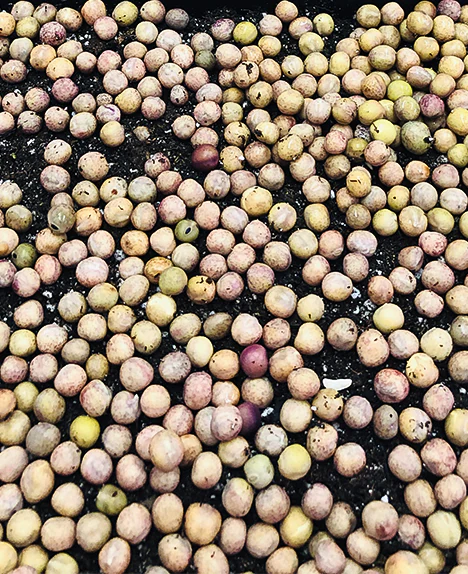
Micro greens are young, densely nutritious vegetables that are typically harvested between 8 and 10 days after germination. Although sprouts are also known for their nutritional benefits, micro greens are not the same as sprouts. Micro greens have more flavour, and a greater fibre content due to their more mature status, and are typically grown in soil. Sprouts are grown in water, harvested around 5 days after germination, and are consumed with their seed and roots. Micro greens are generally considered safer than sprouts due to susceptibility to mould and bacteria in the moist sprout growing environment.
Micro greens consists of a stem, cotyledonary leaf or leaves (part of the embryo within the seed of the plant) and two young true leaves. They are younger than baby greens which are harvested between 20 and 40 days after germination.
It is well accepted that vegetable consumption helps to reduce the occurrence of chronic diseases including cancer and cardiovascular diseases.
Micro greens are rich in vitamins, minerals and antioxidants, and due to the indoor farming environment they are typically grown without pesticides. The quality of the grow medium and nutrients may vary between growers. At Fernie Vibrant Greens all of our soil, seeds and fertilizer are organic.
In general micro greens have more minerals and micro nutrients than fully grown plants. This enables consumers to eat small quantities of micro greens to consume a similar amount of nutrients found in larger quantities of fully grown vegetables.
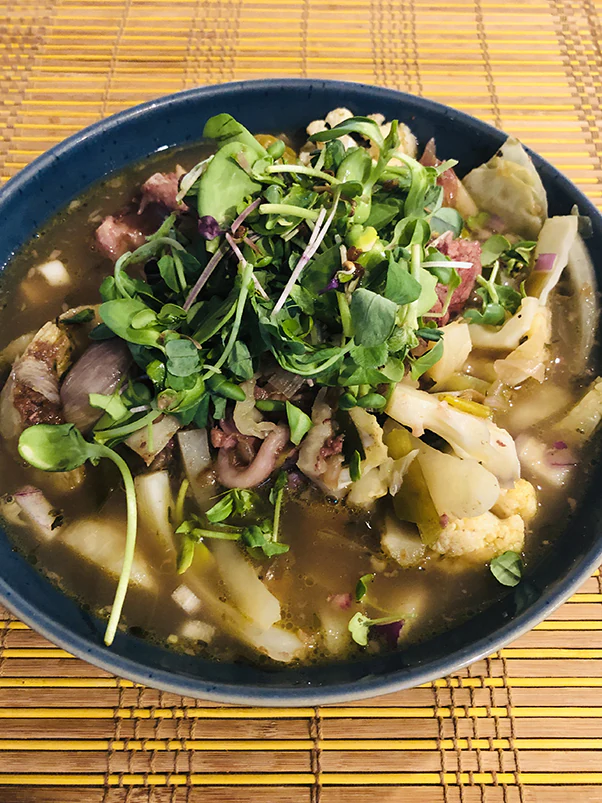
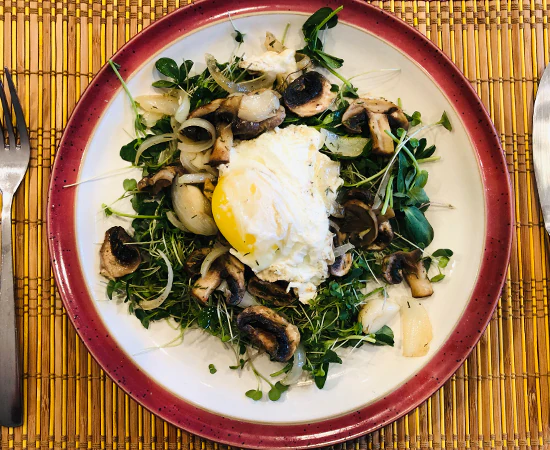
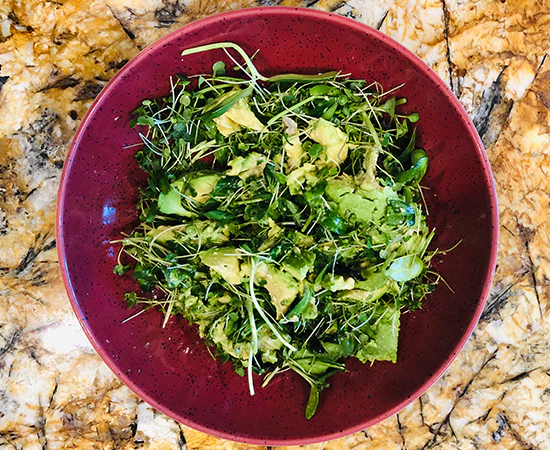
Micro greens are simple to include in a meal. Some people eat them as a ready made salad, straight from the bag - a great way to add nutrition to a meal on the go.
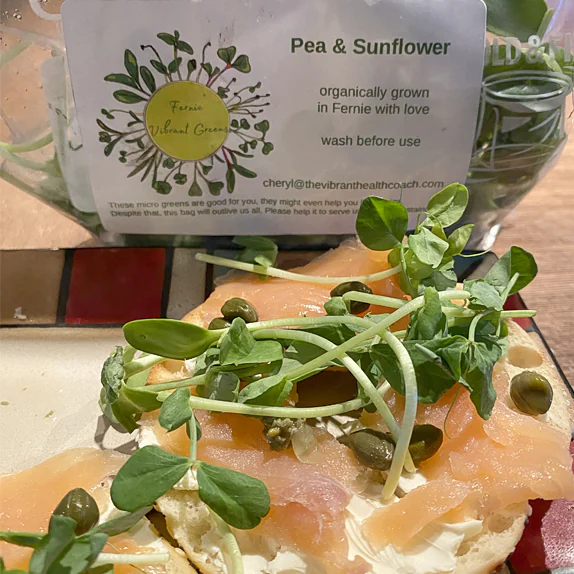
They provide a nutrient dense addition to a sandwich or salad and can be easily added to any meal to increase its quality and add flavour. Pea and sunflower shoots are popular with children and are great in lunch boxes!
One of my grand daughters can’t get enough of my pea shoots. I chop them up and add olive oil and balsamic vinegar, and she always asks for another large serving! In fact she has even influenced her little sister (still a fussy eater) into enjoying them too.
Nutritional benefits are best preserved by eating them raw, but there is nothing stopping you from gently steaming them by serving them on top of a warm soup, stew or other cooked meal. As with most vegetables the less they are cooked, the better their nutritional value, so when using them in a cooked meal, consider either tossing them into the dish immediately before serving, or presenting them as a side dish for diners to add to their meal at their leisure.